🌐 Select Language

Thermal Sand Reclamation Plant
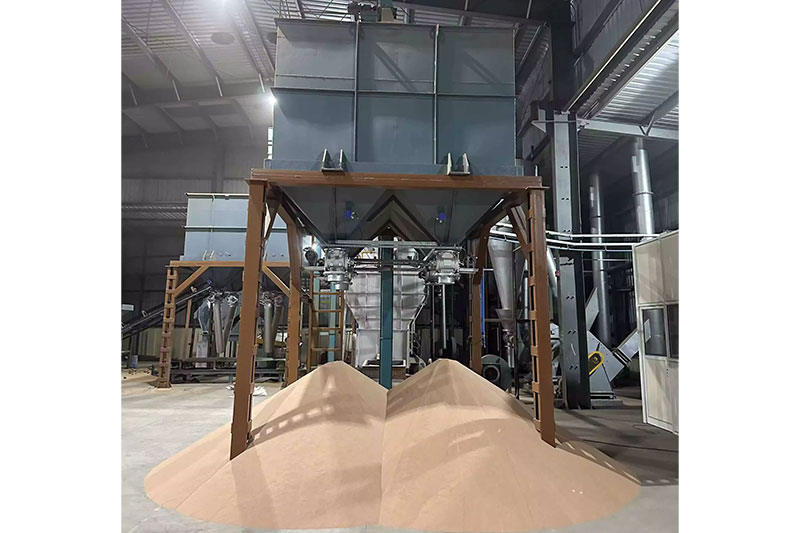
Industrial Thermal Sand Reclamation Plant Provider in India
SKTMPL offers advanced Thermal Sand Reclamation Plants designed to efficiently recycle and purify used resin-coated foundry sand, restoring it close to its original quality for reuse. This sustainable solution enables foundries to significantly reduce fresh sand consumption, lower disposal costs, and minimize environmental impact while enhancing casting quality and overall productivity.
Thermal reclamation of waste foundry sand is a highly cost-effective process. The reclaimed sand is often cleaner than new sand, resulting in improved casting performance. During the process, approximately 5% of sand loss occurs, which is free from organic contaminants and is collected through cyclones and dust collection systems.
Widely adopted across the foundry industry, thermal reclamation involves heating the sand to high temperatures to remove organic materials such as binders and resins. This process restores the sand to an “as-new” condition, making it suitable for reuse in core making and molding applications. Additionally, the cost of thermally reclaimed sand is typically around 35% of the cost of new sand, offering significant economic advantages.
1. Economical
Foundries aim to reduce the overall cost of sand, which includes purchase, transportation, handling, and disposal expenses. Over the past decade, the purchase price of sand has increased by more than 50%, while freight costs have risen by over 40%.
The total cost of one ton of sand involves multiple factors such as purchase price, freight, unloading, internal transportation within the foundry, and final disposal. In many cases, foundries not only bear the cost of loading and transporting discarded sand over long distances but also incur additional dumping fees. Sand reclamation significantly helps in minimizing these recurring costs.
2. Technical
Reclaimed sand contributes to reducing the consumption of binders and catalysts, improving overall process efficiency. It also enhances casting quality by maintaining consistency in grain size and minimizing variations in impurity levels within a controlled, closed-loop system.
During repeated molding and pouring cycles, sand grains undergo thermal shock due to exposure to molten metal. Additionally, continuous movement and processing within the reclamation system result in natural scrubbing of sand particles. This process improves the quality and durability of the sand, leading to better and more consistent casting results.
3. Environmental
Disposing of large volumes of used sand is becoming increasingly challenging due to strict environmental regulations. Government authorities at local, state, and national levels closely monitor the chemical composition of waste materials and their potential environmental impact, particularly concerning leaching into soil and water sources.
This concern extends not only to public dumping sites but also to disposal within foundry premises. Foundries located in flood-prone areas face an even higher risk, as improperly disposed materials can contaminate water supplies over long distances.
Sand reclamation plays a crucial role in reducing environmental impact by minimizing waste generation and promoting sustainable use of natural resources. It also helps conserve high-quality sand reserves, ensuring their availability for longer periods through efficient utilization.
Key Benefits
- High Recovery Rate: Reclaims up to 97%+ of used sand, reducing dependency on new sand.
- Cost-Efficient: Save on raw material, landfill, and waste management expenses.
- Eco-Friendly: Promotes circular economy practices in the metal casting industry.
- Improved Casting Quality: Cleaner sand means fewer defects and better surface finish.
- Compliant & Safe: Meets environmental regulations and improves workplace hygiene.
Technical Features
- Advanced Fluidized Bed Furnace for uniform heating and minimal thermal stress
- Fully Automated Control Panel for easy operation and process monitoring
- Efficient Heat Recovery System to lower energy consumption
- Dust Collection Unit ensuring safe emissions and clean operation
- Customizable capacities: from 1 TPH to 5 TPH and above
Our Locations